

The Complete Digital Nomad Banking Guide 2026
Managing money across borders is one of the biggest practical challenges of the nomadic lifestyle. This master guide covers the best accounts, cards, ATM strategies, tax considerations, and the exact banking stack used by experienced nomads.
The Complete Digital Nomad Banking Guide 2026
Managing money across borders is one of the biggest practical challenges of the nomadic lifestyle. Between foreign transaction fees, ATM charges, unfavorable exchange rates, and the complexity of receiving client payments in multiple currencies, the financial overhead can be significant — unless you have the right setup.
This guide covers everything: the best accounts, the optimal card stack, ATM strategies, receiving client payments, and the tax considerations that every nomad needs to understand.
The Core Problem: Banks Are Designed for People Who Stay Put
Traditional banks assume you live in one country, earn in one currency, and spend in one currency. The moment you cross a border, you start paying:
- Foreign transaction fees: 1–3% on every card purchase in a foreign currency
- ATM fees: $3–$5 per withdrawal, plus the ATM operator's own fee
- Exchange rate markups: 2–4% added to the mid-market rate on every conversion
- Wire transfer fees: $25–$50 per international transfer
For a nomad spending $3,000/month across multiple countries, these costs can add up to $200–$400/month — $2,400–$4,800/year. The right banking setup eliminates most of these costs.
The Nomad Banking Stack
Most experienced nomads use a combination of 2–3 accounts that cover different use cases:
Account 1: Wise — The Multi-Currency Hub
Wise is the foundation of most nomad banking setups. It gives you:
- Local bank account details in 10 currencies (USD, EUR, GBP, AUD, NZD, CAD, SGD, HUF, RON, TRY) — so clients can pay you as a local
- Mid-market exchange rate on all conversions — no markup
- Wise Visa debit card — accepted in 160+ countries
- Free ATM withdrawals up to £200/month (2 withdrawals)
- International transfers at 0.3–1.5% — far cheaper than bank wires
Account 2: Revolut — The Spending Card
Revolut complements Wise with better app features for day-to-day spending:
- Budgeting and spending analytics by category
- Disposable virtual cards for online purchases (security)
- Savings vaults with competitive interest rates
- Cryptocurrency buying and selling
- Travel insurance (Metal plan)
- Airport lounge access (Metal plan)
Account 3: Charles Schwab — The ATM Card (US Citizens Only)
For US citizens, Charles Schwab's High Yield Investor Checking account is the single best travel card in existence:
- Reimburses all ATM fees worldwide — no limit, no questions
- No foreign transaction fees
- No monthly fee
- FDIC insured
If you are a US citizen and you do not have a Schwab account, open one today. It will save you hundreds of dollars per year.
ATM Strategy by Country
Even with the best cards, ATM strategy matters:
| Strategy | Details |
|---|---|
| Always decline dynamic currency conversion (DCC) | When an ATM asks "pay in USD or local currency?", always choose local currency. DCC adds 3–8%. |
| Use bank ATMs, not standalone ATMs | Airport and tourist-area standalone ATMs often charge higher fees. |
| Withdraw larger amounts less frequently | If you have a per-withdrawal fee, withdraw $200–$300 at once rather than $50 multiple times. |
| Know your free limits | Wise: £200/month free. Revolut Standard: £200/month free. Schwab: unlimited free. |
Receiving Client Payments
If you freelance or run a remote business, receiving international payments efficiently is critical.
Wise: Best for receiving payments in USD, EUR, GBP, and 7 other currencies. Clients pay to your local account details (no international wire needed). Free to receive in most currencies.
Payoneer: Popular for freelancers on platforms like Upwork, Fiverr, and Amazon. Offers a USD/EUR/GBP account and a prepaid Mastercard.
Stripe: Best for businesses selling products or services online. Supports 135+ currencies and pays out to your bank account in your home currency.
Wise Business: If you have a registered business, Wise Business adds batch payments, multi-user access, and accounting integrations.
Tax Considerations for Digital Nomads
This is the most complex area of nomad finance. Key principles:
US citizens: The US taxes its citizens on worldwide income regardless of where they live. However, the Foreign Earned Income Exclusion (FEIE) allows you to exclude up to $126,500 (2024) of foreign-earned income if you meet the physical presence test (330 days outside the US in a 12-month period).
Non-US citizens: Tax obligations depend on your tax residency. If you spend fewer than 183 days in any single country, you may not be tax resident anywhere — which sounds appealing but creates compliance risks. Most nomads establish tax residency in a low-tax country (Portugal, Georgia, UAE, Paraguay) to have a clear legal home base.
Always consult a professional: Expat tax is complex and country-specific. Services like Greenback Tax Services (US expats) or Taxes for Expats specialize in this area.
Emergency Backup Plan
Always carry:
- 2 different cards (in case one is blocked or lost)
- $200–$300 in local cash for emergencies
- A backup card stored separately from your wallet
- Your bank's international emergency number saved in your phone
The Complete Nomad Banking Checklist
- Open Wise account (multi-currency hub, client payments)
- Open Revolut account (spending card, budgeting, savings)
- Open Charles Schwab account if US citizen (unlimited ATM reimbursement)
- Enable 2FA on all accounts
- Set up spending notifications on all cards
- Save international emergency numbers for each bank
- Understand your tax residency situation
- Consult an expat tax professional if earning above $50,000/year
See the full banking guide by country → [blocked]
[Compare money transfer rates → [blocked]
This article contains affiliate links. We may earn a commission if you open an account through our links, at no additional cost to you. All information is accurate as of March 2026. Tax laws change frequently — always consult a qualified tax professional for advice specific to your situation.
Get visa rule changes and travel tips in your inbox.
Related Articles
 Banking
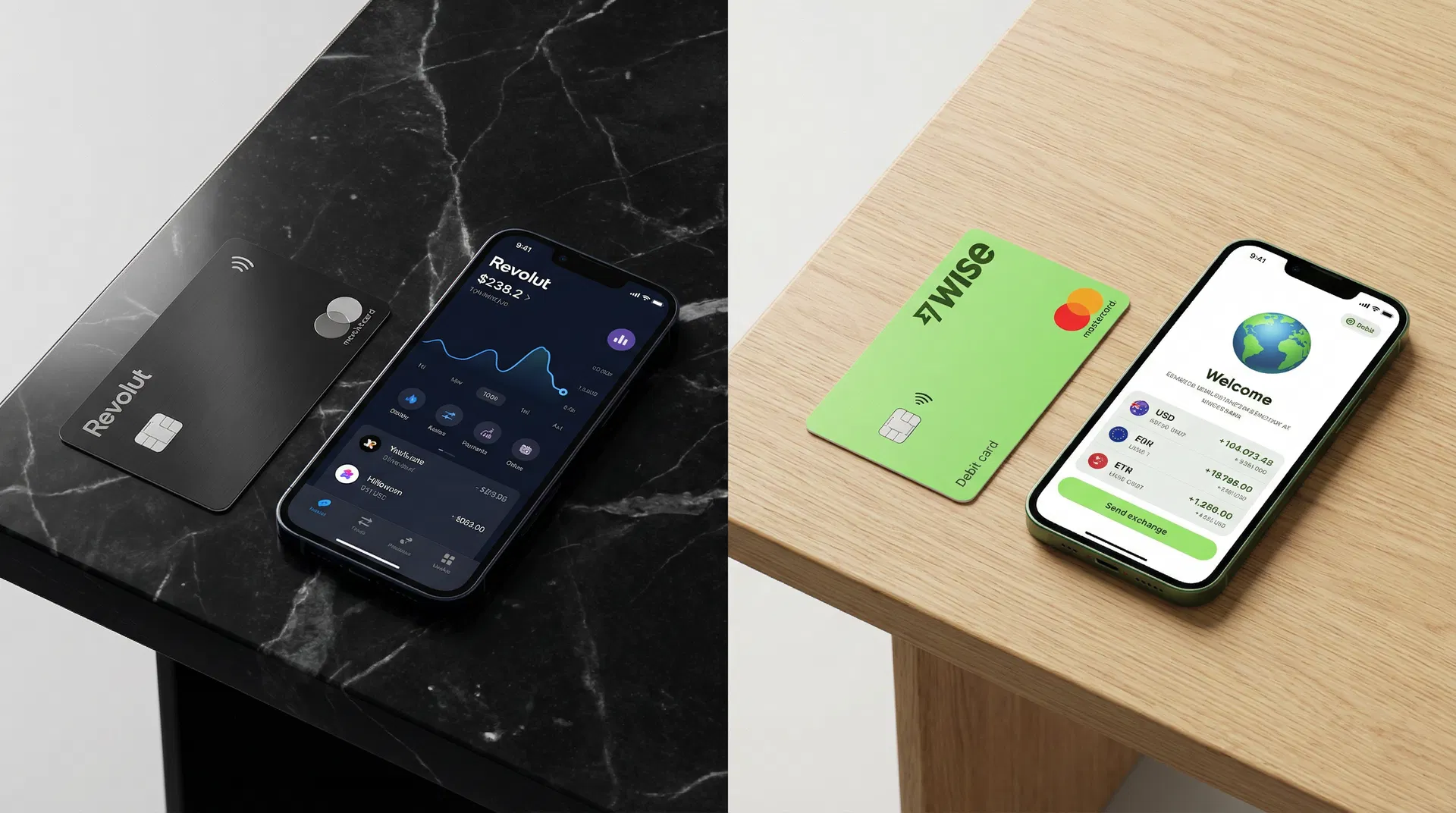
Revolut vs Wise 2026: Which Is Better for Travelers and Expats?
Both Revolut and Wise claim to offer the best deal for international money. We put them head-to-head on exchange rates, fees, features, and real-world usability so you can decide which one — or both — belongs in your wallet.
 Banking
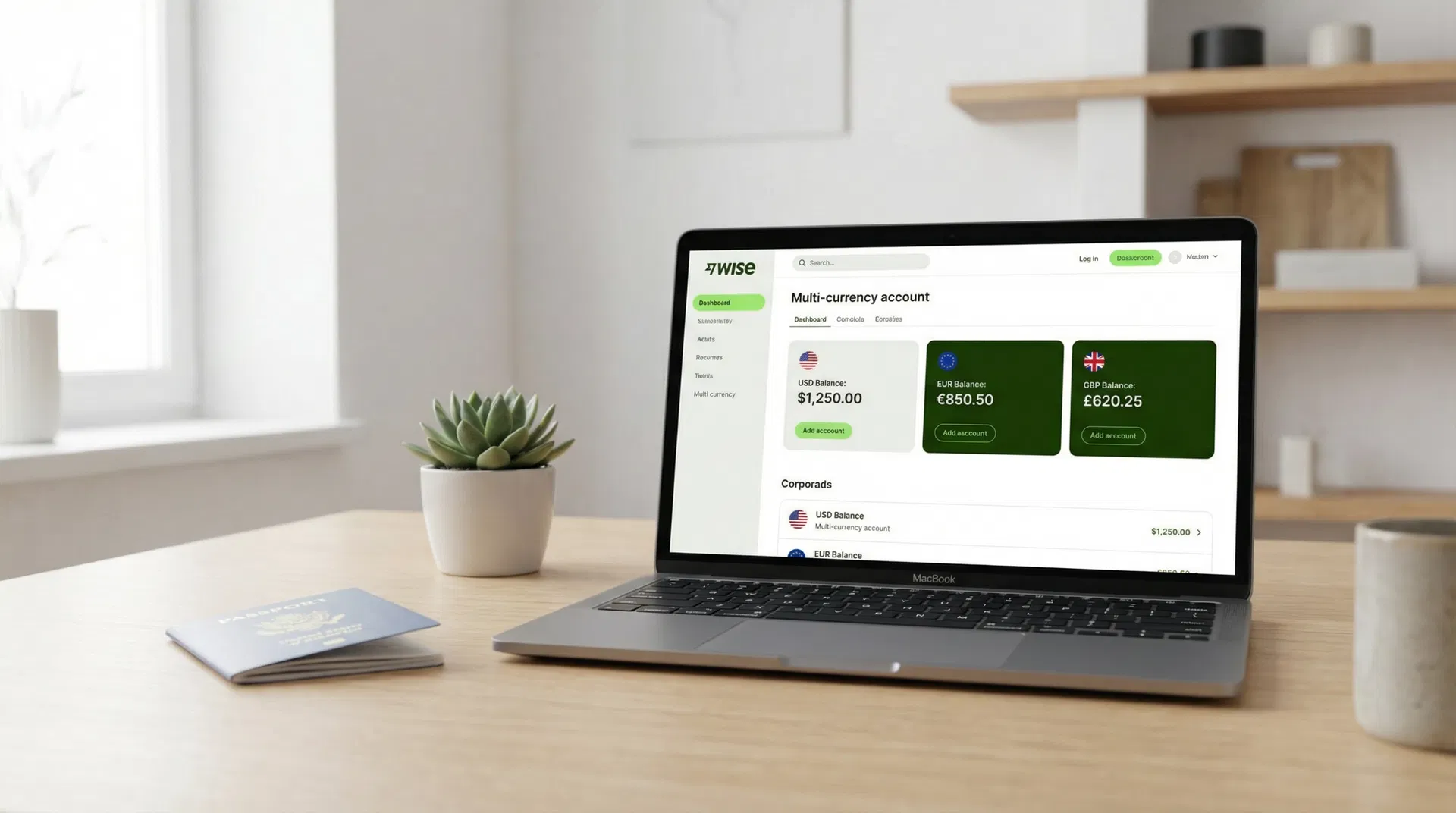
Is Wise Worth It for Expats in 2026? A Comprehensive Review
Wise (formerly TransferWise) has become the go-to bank account for expats and digital nomads. But is it really worth it in 2026? We break down the fees, exchange rates, multi-currency features, and who gets the most value.
 Banking
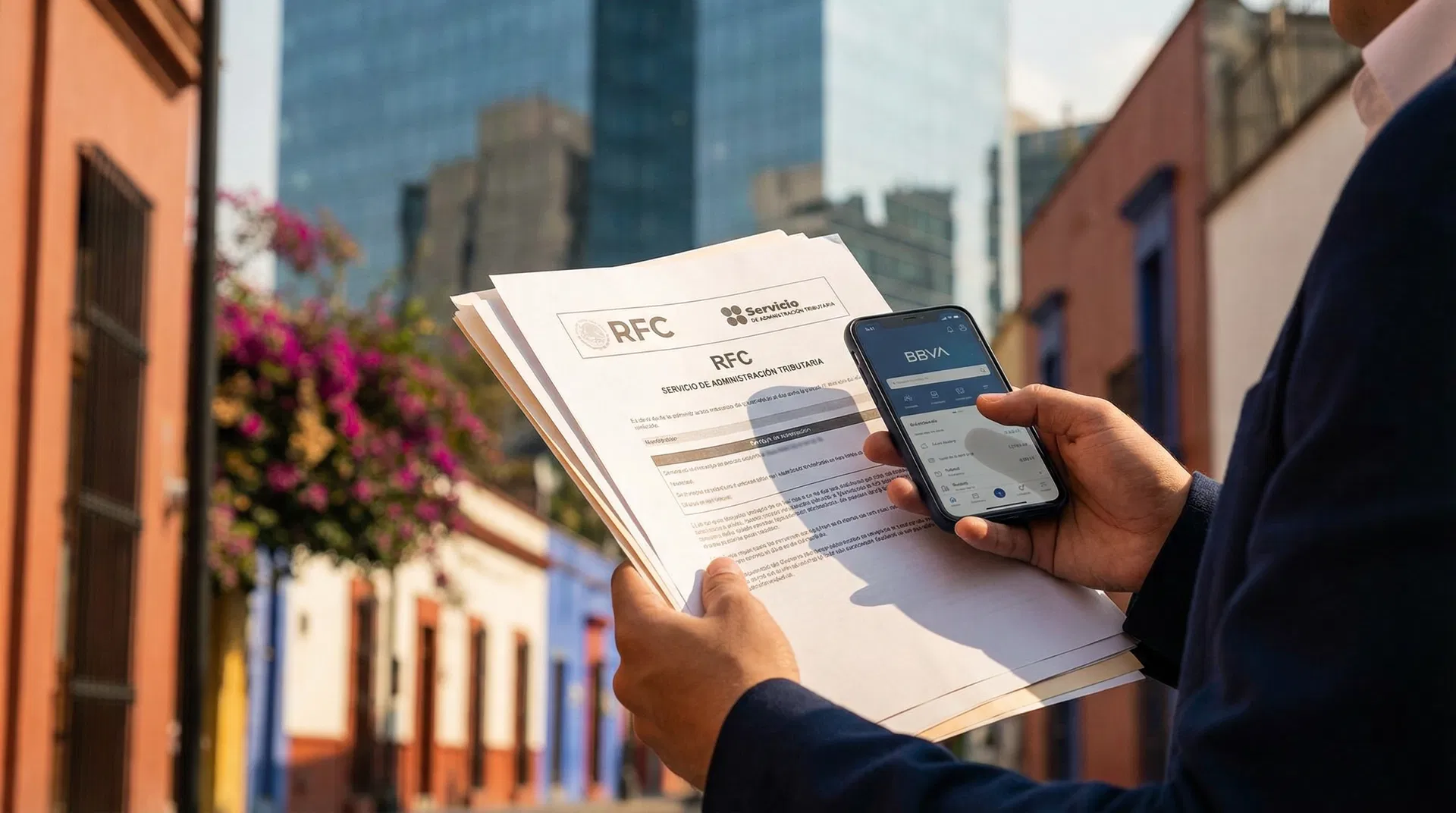
How to Open a Bank Account in Mexico as a Foreigner in 2026
Opening a Mexican bank account as a foreigner requires navigating RFC numbers, CURP codes, and residency requirements. This step-by-step guide covers every option — from Wise (no RFC needed) to BBVA and Nubank MX — so you can start banking in Mexico within days.