
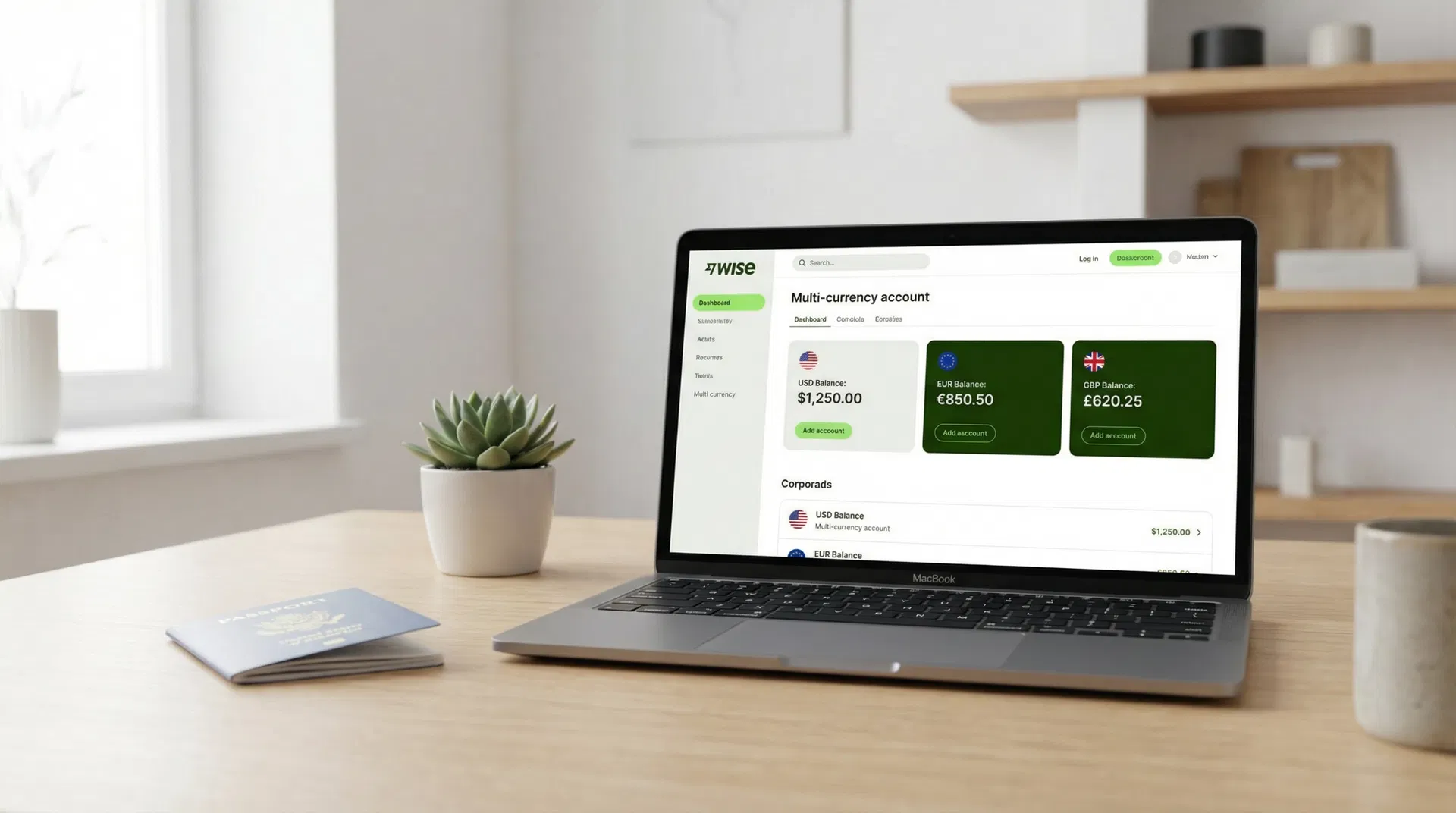
Is Wise Worth It for Expats in 2026? A Comprehensive Review
Wise (formerly TransferWise) has become the go-to bank account for expats and digital nomads. But is it really worth it in 2026? We break down the fees, exchange rates, multi-currency features, and who gets the most value.
Is Wise Worth It for Expats in 2026? A Comprehensive Review
Wise (formerly TransferWise) launched in 2011 with a simple promise: stop banks from overcharging people on international transfers. Thirteen years later, it has grown into a full multi-currency account used by over 16 million people worldwide. But with competitors like Revolut, N26, and Charles Schwab all competing for the expat banking market, is Wise still the best choice in 2026?
This review covers everything you need to know: fees, exchange rates, account features, card benefits, and who gets the most value from a Wise account.
What Is Wise?
Wise is an Electronic Money Institution (EMI) — not a traditional bank. It is regulated by the Financial Conduct Authority (FCA) in the UK and holds equivalent licenses in the EU, US, Singapore, Australia, and other major markets. Your funds are held in segregated accounts with top-tier banks, meaning they are protected even if Wise were to fail — but they are not covered by FSCS or FDIC deposit insurance.
For most expats and digital nomads, this distinction is academic. The practical experience of using Wise is indistinguishable from a bank account: you get a sort code and account number (UK), IBAN (EU), routing number and account number (US), BSB (Australia), and local account details in 10 currencies.
Wise Account Features in 2026
| Feature | Details |
|---|---|
| Currencies supported | 40+ currencies |
| Local bank details | USD, EUR, GBP, AUD, NZD, CAD, SGD, HUF, RON, TRY |
| Debit card | Visa or Mastercard (physical + virtual) |
| ATM withdrawals | Free up to £200/month (2 withdrawals), then 1.75% |
| Receiving money | Free for most currencies |
| Sending money | 0.3–1.5% + small fixed fee |
| Interest on balance | No (unlike Revolut) |
| Business accounts | Yes, with batch payments and multi-user access |
Wise Fees: The Full Picture
Wise's fee structure is transparent and posted on their website for every currency pair. The key components are:
Exchange rate: Wise uses the mid-market rate — the rate you see on Google or XE.com. There is zero markup. This alone saves most users 2–4% compared to a bank transfer.
Transfer fee: A small percentage (typically 0.3–0.9% for major currencies like USD/EUR/GBP) plus a fixed fee (usually $0.50–$2.00). For a $1,000 transfer, you might pay $6–$12 total.
Card spending: Free when spending in the currency you hold. When spending in a different currency, Wise converts at the mid-market rate plus a small conversion fee (typically 0.5–1.5%).
ATM withdrawals: Free for the first 2 withdrawals per month up to £200 (or equivalent). After that, 1.75% + £0.50 per withdrawal.
Wise vs Banks: A Real-World Comparison
Sending $1,000 USD to EUR (as of March 2026):
| Provider | Exchange Rate | Fee | EUR Received |
|---|---|---|---|
| Wise | Mid-market (0% markup) | ~$6.50 | ~€917 |
| Revolut (Standard) | Mid-market (weekdays) | $0 | ~€920 |
| Bank wire (Chase) | 2–3% markup | $25–$45 | ~€878 |
| Western Union | 1.5–2% markup | $5–$15 | ~€893 |
Rates are approximate and change daily. Always verify on the provider's website.
Who Gets the Most Value from Wise?
Best for:
- Expats who receive salary in one currency and spend in another
- Freelancers paid in USD/EUR who live in a different country
- Anyone who needs to send money internationally regularly
- Travelers who want a card that works in 160+ countries without fees
- People who need local bank account details in multiple currencies
Less ideal for:
- People who want interest on their savings (use Revolut's savings vaults or a local savings account)
- US citizens who need FDIC insurance (use Charles Schwab alongside Wise)
- Heavy ATM users (Charles Schwab reimburses all ATM fees globally)
How to Open a Wise Account
Opening a Wise account takes about 10 minutes:
- Go to Wise.com and click "Register"
- Enter your email and create a password
- Verify your identity with a passport photo and selfie
- Add a payment method (bank transfer, debit card, or credit card)
- Start sending or receiving money immediately
No local tax ID required. No proof of address needed for basic verification. No minimum balance.
Wise Verdict: Still Worth It in 2026?
Yes — with caveats. Wise remains the gold standard for multi-currency accounts and international transfers. The mid-market exchange rate, transparent fees, and local bank details in 10 currencies make it uniquely useful for expats and nomads.
The main weaknesses are the lack of interest on balances and the ATM fee after the free monthly allowance. For most expats, the solution is to use Wise as your primary transfer and spending account, and keep a separate savings account (or Revolut) for earning interest.
Compare all banking options by country → [blocked]
This article contains affiliate links. We may earn a commission if you open a Wise account through our link, at no additional cost to you. All opinions are based on independent research. Fee data is accurate as of March 2026 — always verify current pricing on Wise's website.
Get visa rule changes and travel tips in your inbox.
Related Articles
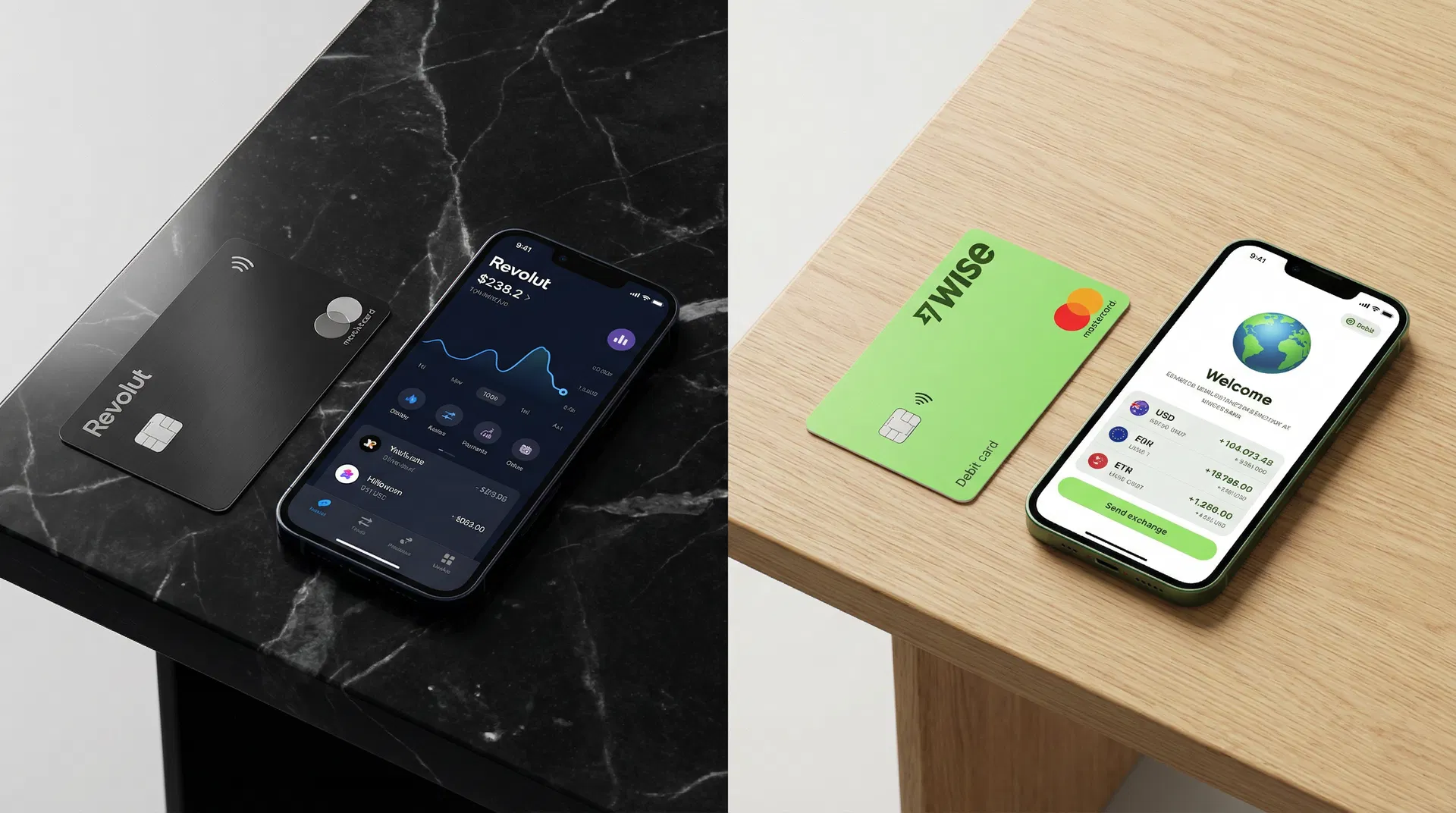 Banking
Revolut vs Wise 2026: Which Is Better for Travelers and Expats?
Both Revolut and Wise claim to offer the best deal for international money. We put them head-to-head on exchange rates, fees, features, and real-world usability so you can decide which one — or both — belongs in your wallet.
 Banking
The Complete Digital Nomad Banking Guide 2026
Managing money across borders is one of the biggest practical challenges of the nomadic lifestyle. This master guide covers the best accounts, cards, ATM strategies, tax considerations, and the exact banking stack used by experienced nomads.
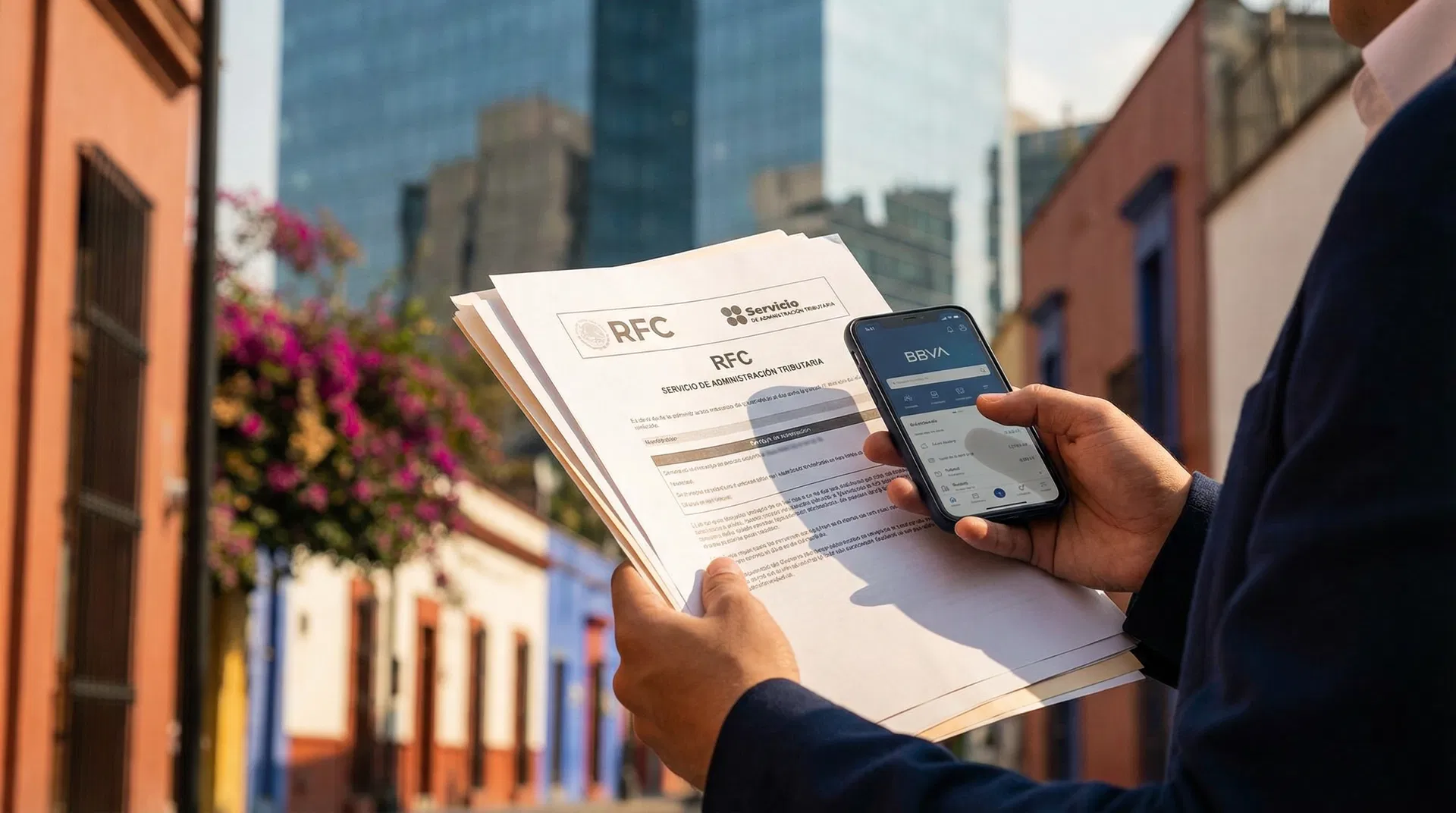 Banking
How to Open a Bank Account in Mexico as a Foreigner in 2026
Opening a Mexican bank account as a foreigner requires navigating RFC numbers, CURP codes, and residency requirements. This step-by-step guide covers every option — from Wise (no RFC needed) to BBVA and Nubank MX — so you can start banking in Mexico within days.